- Trading Platforms
- Platforms
- Best Forex Trading Platforms
Best Forex Trading Platforms
Choosing among the best trading platforms can feel overwhelming when every broker promises speed, tools, and low costs. This guide explains what trading platforms are, how to start using one, which market types they serve, and how NetTradeX, MetaTrader 5, and MetaTrader 4 compare for different trader needs.
Key Moments
- Trading platforms are software tools that let you analyze prices, manage risk, and send orders to the market from one screen.
- Opening an account, choosing a platform, funding it, and practicing on a demo are the core steps to start trading.
- Platforms differ by market, with some built for forex and CFDs and others designed for stocks, futures, or cryptocurrencies.
- NetTradeX, MetaTrader 5, and MetaTrader 4 remain popular choices thanks to their charting tools, order types, and automation features.
- The best platform depends on your experience, preferred instruments, device, and strategy, so testing several on demo accounts is wise.
What are Trading Platforms
Trading platforms are software applications that give traders access to markets, live prices, charts, and order execution. A broker usually provides the platform, linking your orders to liquidity providers or exchanges where the actual transactions take place. Without a platform, an ordinary person would have no practical way to buy or sell currencies, stocks, or commodities online.
Every platform combines a quotes window, interactive charts, an order ticket, and an account section showing balance and margin. Beginners often start with a simple layout, while experienced traders customize workspaces with indicators, drawing tools, and multiple chart windows. Many platforms also support automated strategies, price alerts, and economic calendars, which help traders react to market news faster.
Platforms are available as desktop programs, web terminals, and mobile apps, so traders can monitor positions from almost anywhere. Desktop versions usually offer the deepest analysis features, whereas mobile apps prioritize quick order entry and position management. Choosing a reliable platform matters because speed, stability, and transparent pricing directly influence how trades are executed and managed.
Types of Trading Platforms by Market
Trading platforms by market are grouped by the assets they support, mainly forex and CFD, stock, futures, and cryptocurrency platforms. Each group reflects differences in trading hours, contract sizes, regulation, and the way orders reach the underlying market. Knowing which category fits your goals prevents wasted time on tools designed for a different kind of trading.
Forex and CFD platforms offer leveraged access to currency pairs, indices, commodities, and shares, usually around the clock on weekdays. NetTradeX, MetaTrader 4, and MetaTrader 5 belong to this group and suit traders who want charting depth and automation. Because leverage magnifies both gains and losses, risk controls such as stop-loss orders deserve particular attention here.
Stock platforms let investors buy actual shares on exchanges, typically during set market hours and with settlement rules. Futures platforms focus on standardized contracts, offering depth-of-market views, margin tracking, and fast execution for active traders. These tools usually appear in dedicated brokerage software, and their interfaces differ noticeably from forex-oriented terminals.
Crypto platforms run on exchanges or brokers that offer digital assets, with markets open twenty-four hours every day. Some give direct ownership of coins, while others provide crypto CFDs that track price movements without holding the asset. Security features, withdrawal options, and regulatory status deserve careful review before you commit funds to any crypto venue.
Best Trading Platforms
The best trading platforms combine reliable execution, clear charts, flexible order types, and tools that match the trader's experience. The three platforms below cover most forex and CFD needs, from beginner-friendly interfaces to advanced automated strategies. Ratings depend on personal priorities, so the descriptions highlight each platform's strengths rather than declaring a single winner.
NetTradeX
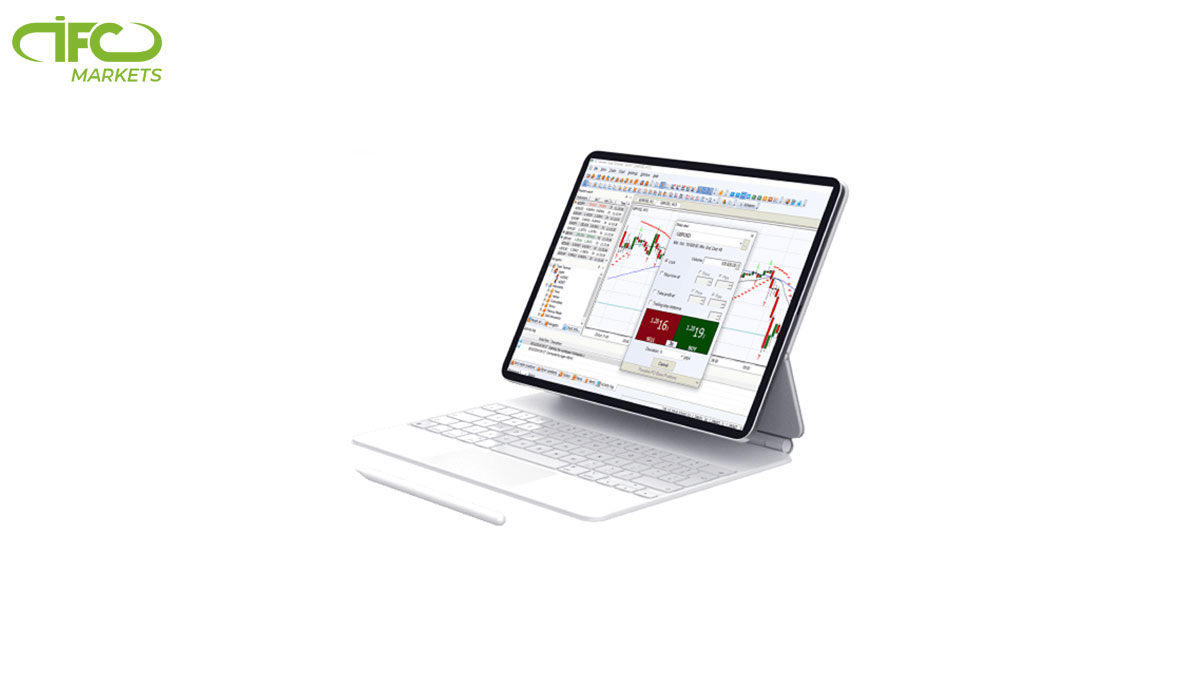
NetTradeX is a multi-asset trading platform developed by IFC Markets, offering forex, CFDs, and other instruments in one workspace. It runs on desktop, web, and mobile devices, which helps traders keep the same account accessible across several screens. Its interface suits beginners, while built-in analysis tools and indicators give experienced traders enough room for technical work.
A strength is trading many instruments, including currency pairs, indices, commodities, and stocks, from one account. Traders who prefer a proprietary environment with an integrated ecosystem may find it more convenient than assembling separate tools. The main limitation is availability, since NetTradeX is offered through IFC Markets rather than across many brokers.
| Parameter | Details |
| Developer | IFC Markets |
| Platform type | Proprietary multi-asset platform |
| Available on | Desktop, web, and mobile |
| Instruments | Forex and CFDs on indices, commodities, and stocks |
| Analysis tools | Built-in indicators and drawing objects |
| Best for | Traders who want an all-in-one environment |
MetaTrader 5
MetaTrader 5 is a multi-asset platform from MetaQuotes that supports forex, stocks, futures, and CFDs with advanced analytical tools. It offers 21 timeframes, 38 built-in technical indicators, a depth of market window, and an integrated economic calendar. Six pending order types and support for both netting and hedging accounts give traders flexibility in position management.
Automation stands out, since MQL5 and the built-in strategy tester let traders build and backtest expert advisors. The platform is usually the better fit for traders who want market depth, multiple asset classes, and detailed multi-timeframe analysis. Its added complexity can feel heavy for beginners, and some older MetaTrader 4 tools need conversion before they work.
| Parameter | Details |
| Developer | MetaQuotes |
| Release year | 2010 |
| Timeframes | 21 |
| Built-in indicators | 38 |
| Pending order types | 6 |
| Account modes | Netting and hedging |
| Programming language | MQL5 |
| Best for | Multi-asset and algorithmic traders |
MetaTrader 4
MetaTrader 4 is a long-established forex platform from MetaQuotes known for its simple interface, stability, and large community of users. It provides nine timeframes, 30 built-in indicators, and four pending order types, which cover the needs of most retail traders. Expert advisors written in MQL4 remain popular, and thousands of free and paid custom indicators are available online.
Its main advantage is familiarity, as countless tutorials, signals, and trading tools were created specifically for this platform. It focuses on forex and CFDs, so it lacks the market depth view and exchange features of MetaTrader 5. Many brokers still support it, making it a practical choice for traders who value a lightweight and proven terminal.
| Parameter | Details |
| Developer | MetaQuotes |
| Release year | 2005 |
| Timeframes | 9 |
| Built-in indicators | 30 |
| Pending order types | 4 |
| Account mode | Hedging |
| Programming language | MQL4 |
| Best for | Forex traders who prefer simplicity |
Conclusion
The best trading platform is the one that matches your market, experience level, budget, and preferred way of analyzing prices. NetTradeX offers an integrated multi-asset environment, MetaTrader 5 brings depth and automation, and MetaTrader 4 delivers simplicity and wide compatibility. None is universally superior, so comparing them hands-on is more reliable than relying on rankings or reviews alone.
A demo account is the safest way to test a platform, since it uses virtual money and real market prices. Check execution speed, spreads, available instruments, and the quality of customer support before moving to a live account. Also confirm that your broker is regulated in your region, because platform quality cannot replace proper client protection.
Trading involves significant risk, and leveraged products such as forex and CFDs can lead to losses exceeding expectations. Start small, apply stop-loss orders, and learn the platform thoroughly before increasing position sizes or trading frequency. With a suitable platform and disciplined risk management, traders can focus on strategy instead of fighting their tools.
FAQ
What is the best trading platform for beginners?
The best trading platform for beginners is one with a simple interface, a free demo account, and clear educational resources. NetTradeX and MetaTrader 4 are often considered approachable, while MetaTrader 5 suits users ready for more advanced tools.
Is MetaTrader 5 better than MetaTrader 4?
MetaTrader 5 is not strictly better, but it offers more timeframes, indicators, order types, and asset classes. MetaTrader 4 remains preferred by many forex traders for its simplicity and large library of existing tools and expert advisors.
Can I trade on a mobile trading platform?
Yes, most modern trading platforms provide mobile apps for iOS and Android that support charts, order placement, and account management. They work well for monitoring positions, though desktop versions usually remain better for detailed analysis.