- Analytics
- Trading News
- Nike Stock Price: What Happened and Why
Nike Stock Price: What Happened and Why
So, Nike just dropped its fiscal Q3 numbers on March 31st, and on paper, they actually looked pretty solid. They pulled in $11.28 billion in revenue and delivered earnings of 35 cents per share, which comfortably cleared the 28 to 31-cent range analysts were looking for. By all accounts, they "beat the street."
By all accounts, they "beat the street."
And yet, the very next day, the stock took a massive hit, plummeting over 15%. If you’re wondering why a "win" turned into a sell-off, it wasn't because of what just happened—it was because of what Nike says is coming next.
The company's future guidance spooked investors, overshadowing a decent quarter with a much gloomier outlook for the months ahead. It's a classic case of Wall Street caring way more about the windshield than the rearview mirror.
Nike Q4 Outlook
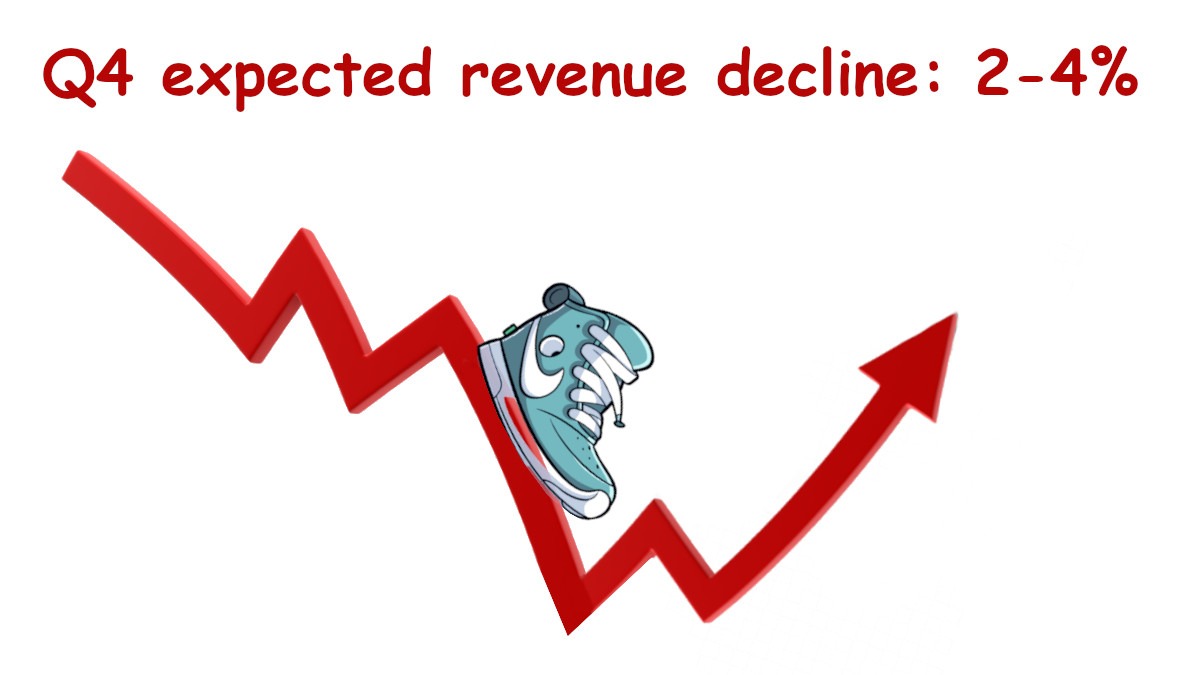
What exactly did CFO Matt Friend say to make investors hit the panic button? It all came down to the outlook for the fourth quarter: he projected a revenue decline of 2% to 4%, which was a huge shock since analysts were actually banking on 1.9% growth.
Management basically broke the bad news down into three main buckets:
- Nike is intentionally pulling back on how much gear they ship to Chinese retailers. Over the last few years, the market got flooded with too much inventory, which forced stores to slash prices. Since constant discounting kills a brand's "cool factor," Nike is cutting off the tap to let that old stock clear out. It’s a smart long-term move, but it means a massive 20% revenue drop in China next quarter.
- New US tariffs are starting to bite, putting some serious pressure on the North American side of the business and squeezing their profit margins.
- Finally, they flagged the conflict in the Middle East and rising oil prices. Between higher shipping/manufacturing costs and the risk of consumers tightening their belts, there are just too many wildcards for comfort right now.
Essentially, Nike is choosing to take a hit now to save the brand later, but Wall Street isn't exactly known for its patience.
The Business Right Now
Looking at the sales mix, things got a bit messy. Wholesale revenue (selling to stores like Foot Locker) hit $6.5 billion, up 5% thanks to some momentum in North America. Meanwhile, Direct-to-Consumer (selling through their own apps and stores) slipped 4% to $4.5 billion.
Here’s why that’s a headache for Nike: When you buy a pair of Jordans directly from Nike, they keep the whole profit. When you buy them at a mall retailer, Nike has to share that cut. So, even if the total amount of shoes sold stays the same, shifting back toward wholesale means Nike is walking away with less money per sale.
As for where people are actually buying:
- North America: Still a bright spot and showing growth.
- Greater China: This area is still struggling. Sales fell 7% this past quarter. While that was actually "better" than the disaster analysts feared, it marks the seventh quarter in a row that Nike has seen a decline in China.
It’s a tough spot to be in—growing where the profit margins are thinner and shrinking in a massive market like China.
Where the Company Stands
CEO Elliott Hill is basically telling everyone to stay patient, but he’s being honest: the turnaround is happening, just not at the same speed everywhere. When he was pressed on whether the delays were Nike’s own fault or just bad luck with the economy, he admitted it’s a bit of both. Every region started in a different spot, so there’s no "one-size-fits-all" fix.
It’s helpful to think of Nike’s problems as three separate fires they're trying to put out:
- In North America: The wholesale side is finally starting to bounce back.
- In China: They’re doing a "controlled burn" by intentionally slowing things down to fix their inventory issues.
- On the Balance Sheet: Profits are being squeezed by those tariffs and the fact that they're selling more through middleman retailers again.
Because these are all separate issues with their own timelines, the recovery is feeling a bit disjointed.
The market’s reaction has been brutal, though. The stock is now trading at prices we haven't seen since 2015. That $51 mark, which used to be a floor for the price, has now become a "ceiling" that’ll be tough to break back through.
All eyes are now on the Q4 results. That’ll be the moment of truth to see if the China cleanup is actually working and if North America can keep carrying the weight.
A Note on the Nike Stock Price Move
The market’s reaction felt like a total overreaction. Investors treated Nike like a company in terminal decline, when in reality, they’re just tidying up the house. While the stock might not bounce back to its highs overnight, a price correction is likely once the dust settles and people realize the business is a lot healthier than that one-day drop suggested.
New powerful tool, Nike Technicals
New powerful tool, Nike Technicals
Live Technical Analysis with instant forecast using most popular indicators and oscillators.
Try Now

If you don’t find a way to make money while you sleep, you will work until you die.- Warren Buffett